

Small teams often struggle to pinpoint exactly which skills are missing because they lack dedicated HR departments. You can find these gaps by comparing current employee capabilities against future business goals. This process, known as skills mapping, reveals where your team is strong and where it needs targeted training to stay competitive. For additional details, review the Contact GoSkills.
Why Small Teams Struggle with Skills Visibility
Many small business owners assume they know their team's capabilities. In reality, skills often hide in plain sight or are completely absent. Without a formal system, you rely on memory or anecdotal evidence. This leads to blind spots that can stall growth. A skills gap is the difference between the skills your team currently has and the skills they need to perform their jobs effectively.
For a small team, the cost of a gap is higher than for a large corporation. You cannot easily replace a missing skill with another employee. You must either upskill your current staff or hire new talent. Both options cost time and money. Identifying the gap early allows you to choose the most efficient path. It prevents you from hiring for a role that your existing team could fill with a little training.
GoSkills helps teams visualize these gaps through its Learning Management System. The platform tracks progress and completion rates, giving you a clear view of who has mastered a topic and who is still learning. This data-driven approach removes the guesswork from workforce planning.
The Role of Job Descriptions in Gap Analysis
Your job descriptions are the first place to look. They define the ideal skill set for each role. However, many job descriptions are outdated. They may list skills that are no longer relevant or miss new technologies that have emerged. You must audit these documents regularly. Compare the listed requirements against the actual tasks your employees perform daily.
Consider a marketing role. A job description from three years ago might list basic SEO skills. Today, that role might require proficiency in AI-driven content tools. If your team member lacks this AI skill, you have a gap. This is a specific, actionable finding. You can now assign a course on AI for marketing to close that gap. This method turns static documents into dynamic planning tools.
Updating job descriptions is a low-effort, high-impact activity. It forces you to think about the future state of your business. It also helps with recruitment. When you hire, you know exactly what skills to test for. This alignment ensures new hires fit the team's evolving needs.
Using Performance Data to Spot Weaknesses
Performance reviews are a traditional tool for identifying gaps. However, they often happen too late. By the time an annual review occurs, a skill deficiency may have caused significant problems. You need more frequent data points. Look at project outcomes. Did a project miss its deadline? Was the quality below standard? These are symptoms of a skills gap.
For example, if your team consistently struggles with data analysis, it may indicate a lack of Excel or data visualization skills. This is a common gap in many small businesses. Employees may know how to enter data but not how to interpret it. This limits their ability to make informed decisions. Identifying this pattern allows you to target specific training. You can focus on advanced Excel functions or data storytelling.
GoSkills provides detailed reports on learner progress. You can see which courses are completed and which are abandoned. If many employees drop out of a specific course, it may indicate that the content is too difficult or not relevant. This feedback loop helps you refine your training strategy. It ensures that your learning initiatives are actually effective.
Employee Self-Assessment and Feedback
Employees often know their own weaknesses better than their managers do. They may feel uncomfortable admitting a lack of skill. This is why you must create a safe environment for self-assessment. Ask your team to rate their confidence in various skills. Use a simple scale, such as 1 to 5. This provides a baseline for comparison.
Combine self-assessment with manager assessment. If an employee rates themselves a 5 in a skill, but their manager rates them a 3, you have a perception gap. This is just as important as a skills gap. It indicates a need for better communication or coaching. Addressing perception gaps can be just as valuable as addressing technical gaps. It builds trust and clarity within the team.
Regular check-ins are essential for this process. Do not wait for annual reviews. Have brief monthly conversations about skill development. Ask what they are working on and where they feel stuck. This ongoing dialogue keeps skills mapping current. It shows your team that you are invested in their growth. This engagement leads to higher retention and productivity.
Aligning Gaps with Business Goals
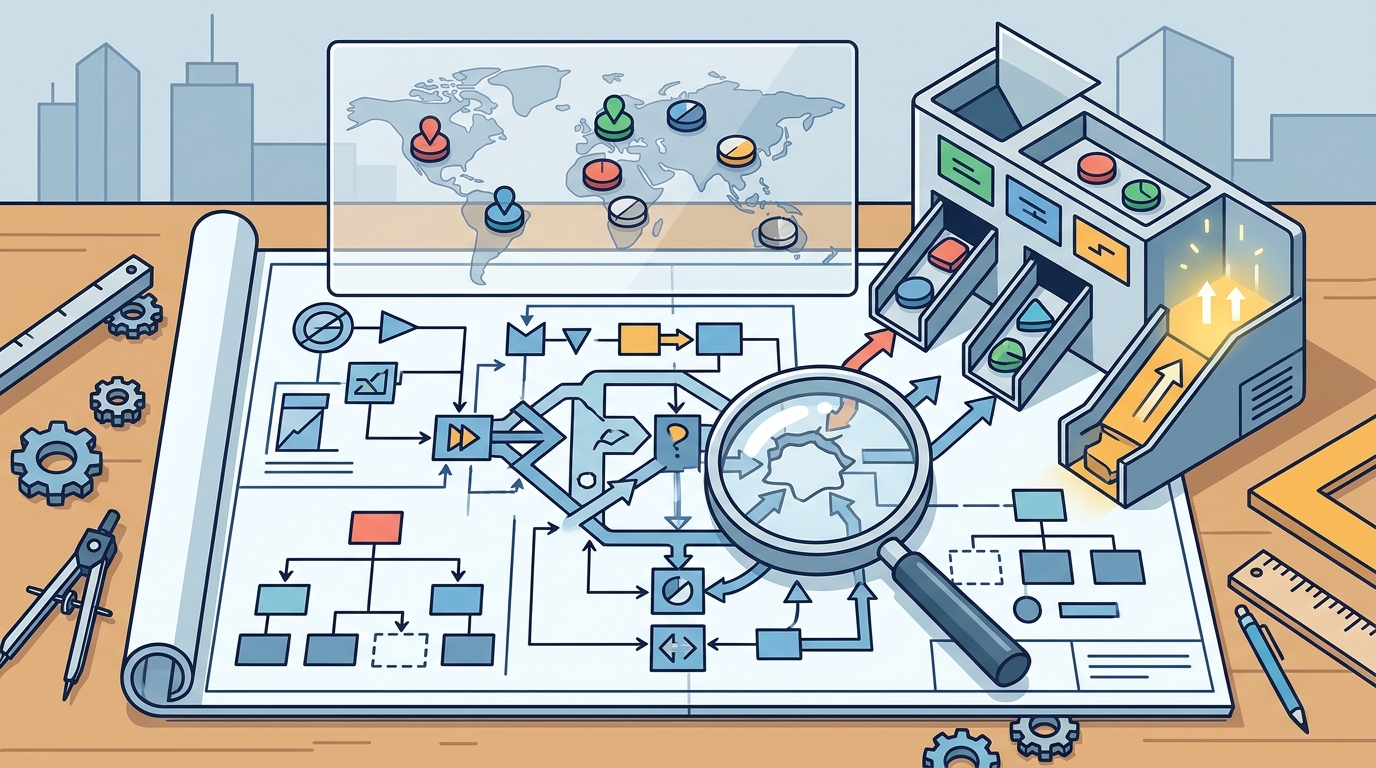
Not all skills gaps are equally important. You must prioritize them based on your business goals. If you are planning to expand into a new market, you need specific language or cultural skills. If you are automating processes, you need technical skills. Align your skills mapping with your strategic plan. This ensures that your training investments drive business value.
For instance, if your goal is to improve customer satisfaction, focus on soft skills like communication and empathy. These are often overlooked but critical for service roles. GoSkills offers a wide range of soft skills courses that can help your team in this area. By linking training to business outcomes, you can demonstrate the ROI of your learning initiatives. This makes it easier to secure budget for future training.
Start with a small pilot program. Pick one or two critical gaps and address them. Measure the impact. Did customer satisfaction scores improve? Did project timelines shorten? Use this data to build a case for broader skills development. This phased approach reduces risk and builds momentum. It shows your team that learning leads to tangible results.
Key Takeaways
- Skills mapping is the process of comparing current team capabilities against future business needs.
- Outdated job descriptions can hide critical skills gaps. Audit them regularly.
- Performance data and project outcomes are early indicators of skill deficiencies.
- Employee self-assessment helps identify perception gaps and build trust.
- Align your skills development strategy with your core business goals.
- Use an LMS to track progress and measure the impact of training.
- Prioritize gaps that directly impact your strategic objectives.
Frequently Asked Questions
How often should I conduct a skills gap analysis?
You should conduct a formal skills gap analysis at least once a year. However, you should review skills continuously through regular check-ins and performance data. This ensures that your mapping stays current as your business evolves.
What is the difference between a skills gap and a perception gap?
A skills gap is a lack of actual ability. A perception gap is a mismatch between how an employee views their skills and how a manager views them. Both need to be addressed for effective team development.
How can I get employees to be honest about their skills?
Create a safe, non-punitive environment. Frame self-assessment as a tool for growth, not evaluation. Show that you are willing to invest in their development. This builds trust and encourages honesty.
What tools can help with skills mapping?
A Learning Management System (LMS) is a powerful tool. It tracks course completion and progress. You can also use simple spreadsheets or survey tools for initial assessments. The key is to have a centralized system for data.
How do I prioritize which gaps to address first?
Look at your business goals. Address gaps that directly impact your strategic objectives. Also consider the urgency of the gap. Is it causing immediate problems? Prioritize those first.
Can I use free tools for skills mapping?
Yes, you can start with free tools like spreadsheets or survey apps. However, as your team grows, an LMS provides more robust tracking and reporting. It saves time and provides better insights.
Start Mapping Your Team's Skills Today
Identifying skills gaps is the first step toward a more capable and resilient team. It requires regular attention and a clear process. By using job descriptions, performance data, and employee feedback, you can build a comprehensive skills map. This map guides your training and hiring decisions. It ensures that your team has the right skills to achieve your business goals. GoSkills provides the tools and content you need to close these gaps effectively. Start your free trial today and see how easy it is to upskill your team.