

User-Based Pricing Models
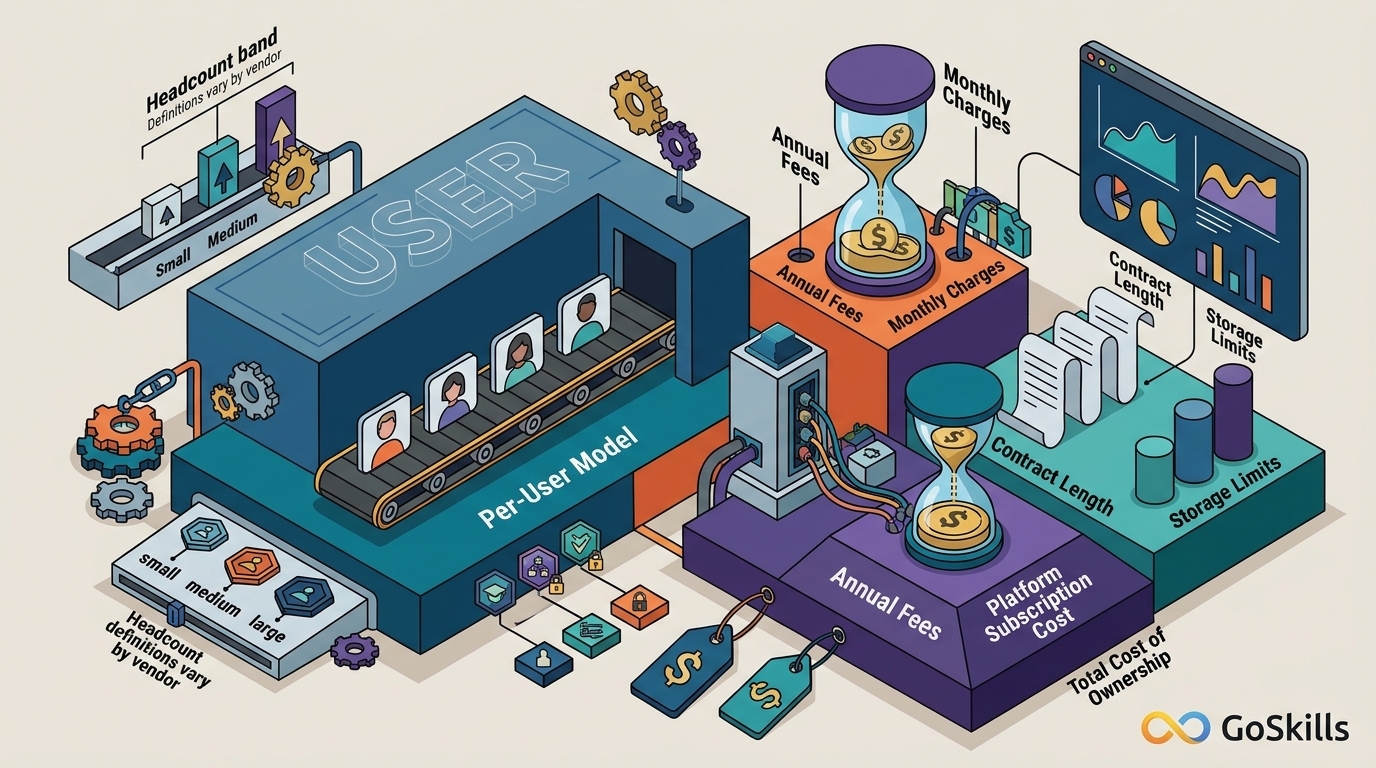
The most common pricing structure for learning management systems is the per-user model. This approach charges a set fee for each individual who accesses the platform. For small teams, this model offers predictable monthly costs that scale linearly with headcount. However, the definition of a user varies significantly between vendors. Some platforms charge for every registered user, including those who have never logged in, while others charge only for active users who complete at least one lesson during a billing cycle. This distinction can drastically alter the total cost of ownership for organizations with large but inactive user bases. according to LMS Cost in
Active user pricing is generally more favorable for small and medium businesses that experience fluctuating training needs. It allows companies to pay only for the employees who are actively engaged in learning at any given time. In contrast, registered user pricing can lead to unnecessary expenses if a company imports a large employee directory but only a fraction of those employees require training. Organizations should carefully evaluate which model a provider uses before committing to a contract.
Minimum user requirements also play a role in determining the final price. Some platforms enforce a minimum number of seats, such as five or ten users, regardless of the actual team size. This ensures a baseline revenue for the provider but can be a barrier for very small teams. GoSkills, for example, offers a five-user minimum for its business plans, making it accessible for lean operations without forcing companies to purchase unused seats.
Content Library Depth and Quality
The scope and quality of the built-in course library is a primary driver of platform pricing. A platform that offers a vast, curated library of expert-led courses commands a higher price than one that provides only a basic framework for uploading custom content. The cost of producing high-quality instructional content is substantial, and this investment is reflected in the subscription fees. Organizations that rely heavily on pre-built courses for skills like Excel, leadership, and project management will typically pay more than those that primarily use the platform for internal compliance training. according to LMS Cost in
The depth of the library also affects the value proposition for small businesses. A platform with hundreds of ready-to-assign courses eliminates the need for companies to source external content or hire instructional designers. This saves significant time and money in the long run. For instance, GoSkills includes over 500 expert-led courses in its library, covering a wide range of business and technical skills. This comprehensive offering allows small teams to upskill their employees without the overhead of managing multiple content providers.
Quality control is another factor that influences pricing. Platforms that vet their instructors and regularly update their content to reflect current industry standards tend to charge a premium. This ensures that learners are receiving accurate and relevant information. In a rapidly changing business environment, the currency of the content is just as important as its volume. Organizations should consider the recency and relevance of the courses when evaluating the overall value of a platform. according to LMS Cost in
Administrative Complexity and Automation
The level of administrative automation and reporting capabilities is a significant factor in determining the price of a learning platform. Basic platforms may offer simple dashboards for tracking completion rates, while more advanced systems provide detailed analytics, automated workflows, and integration with other business tools. The more complex the administrative features, the higher the price. This is because developing and maintaining these capabilities requires significant technical resources.
For small and medium businesses, the balance between complexity and usability is crucial. A platform that is too complex can overwhelm administrators who lack dedicated IT support. Conversely, a platform that is too simple may not provide the insights needed to measure the return on investment of training programs. GoSkills is designed to be intuitive for administrators, offering automated workflows and clear reporting without requiring a steep learning curve. This ease of use is a key differentiator for small teams that need to manage training efficiently without a large support staff.
Integration capabilities also contribute to the overall cost. Platforms that integrate seamlessly with popular HRIS, CRM, and communication tools often command a higher price. These integrations allow for automated enrollment, data synchronization, and streamlined workflows. For organizations that rely on multiple software tools, the ability to connect their learning platform with their existing tech stack can save time and reduce manual data entry. However, organizations should weigh the necessity of these integrations against the additional cost.
AI and Technological Innovation
The incorporation of artificial intelligence and other advanced technologies is a growing factor in learning platform pricing. AI-powered features, such as automated course creation, personalized learning paths, and intelligent tutoring systems, are becoming standard in premium platforms. These technologies can significantly enhance the learning experience and improve outcomes, but they also increase the cost of the platform. The development and maintenance of AI capabilities require substantial investment in research and development.
AI-powered course creation is a particularly notable feature. Tools like GoSkills' Genie allow subject matter experts to create professional, structured courses in minutes rather than months. This capability democratizes content creation and reduces the need for specialized instructional design skills. For small businesses, this can be a game-changer, as it allows them to create custom training content without hiring external vendors. The cost of this feature is reflected in the platform's pricing, but the time and money saved in content creation can easily offset the subscription fee.
Personalization is another area where AI is making a difference. Platforms that use AI to recommend courses based on an employee's role, skills, and learning history can improve engagement and completion rates. This level of personalization requires sophisticated algorithms and data processing, which contributes to the platform's cost. Organizations should consider the potential impact of these features on their training outcomes when evaluating the overall value of a platform.
Support, Security, and Compliance
The level of customer support and the security and compliance features of a learning platform are also important pricing factors. Premium platforms often offer dedicated account managers, 24/7 support, and advanced security measures. These features provide peace of mind and ensure that organizations can resolve any issues quickly. The cost of providing high-quality support and maintaining robust security infrastructure is reflected in the subscription fees.
Security and compliance are particularly important for organizations that handle sensitive data or operate in regulated industries. Platforms that are SOC 2 compliant and offer features like single sign-on, data encryption, and audit logs are better suited for these needs. GoSkills, for example, is SOC 2 compliant and offers a range of security features to protect learner data. The cost of these features is justified by the reduced risk of data breaches and the ability to meet regulatory requirements.
Customer support is another area where quality varies significantly between platforms. Some platforms offer only email support, while others provide live chat, phone support, and dedicated account managers. For small businesses that may not have a dedicated IT team, responsive and knowledgeable support is crucial. Organizations should consider the level of support offered when evaluating the overall value of a platform.
Key Takeaways
- User-based pricing models vary between active and registered users, significantly impacting total cost.
- The depth and quality of the built-in course library is a primary driver of platform pricing.
- Administrative complexity and automation features contribute to the overall cost of a learning platform.
- AI-powered features, such as automated course creation, are becoming standard in premium platforms.
- Support, security, and compliance features are important factors to consider when evaluating platform value.
- Organizations should carefully evaluate which pricing model and features align with their specific training goals and budget.
Frequently Asked Questions
What is the most common pricing model for SMB learning platforms?
The most common pricing model is the per-user subscription, which charges a set fee for each individual who accesses the platform. This model offers predictable monthly costs that scale with headcount.
How does the content library affect the price of a learning platform?
A platform with a vast, curated library of expert-led courses commands a higher price than one that provides only a basic framework for uploading custom content. The cost of producing high-quality instructional content is reflected in the subscription fees.
What role does AI play in learning platform pricing?
AI-powered features, such as automated course creation and personalized learning paths, are becoming standard in premium platforms. These technologies can significantly enhance the learning experience but also increase the cost of the platform.
Why is administrative complexity a factor in pricing?
Platforms with advanced administrative features, such as detailed analytics and automated workflows, require significant technical resources to develop and maintain. This complexity is reflected in the subscription fees.
How important are security and compliance features for small businesses?
Security and compliance are particularly important for organizations that handle sensitive data or operate in regulated industries. Platforms that are SOC 2 compliant and offer advanced security measures provide peace of mind and ensure that organizations can meet regulatory requirements.
Conclusion
Understanding the factors that determine pricing for small and medium business learning platforms is essential for making an informed purchasing decision. By evaluating user-based pricing models, content library depth, administrative complexity, AI capabilities, and support features, organizations can select a platform that aligns with their specific training goals and budget. GoSkills offers a comprehensive solution that balances these factors, providing a user-friendly platform with a robust course library and advanced AI features. To explore how GoSkills can meet your organization's training needs, view our pricing plans.